
For patients that cannot verbally communicate, the Checklist of Nonverbal Pain Indicators (CNPI) can be utilized (Feldt 2000). HCPs need to engage in discussions with patients about realistic treatment outcomes so feasible patient expectations can be http://glee-russia.ru/forum/36-3353-1 established. It is important to note that setting arbitrary treatment relief targets such as 30% or 50% reduction in pain, although useful in clinical trials to establish efficacy, is not always essential for clinical practice (Varrassi et al. 2010).
- Engel wants to argue that schizophrenia is a medical disease—that is, a problem falling under medicine’s purview—and that, if we carefully consider this disease’s properties (along with those of several other ailments) we will see that medicine ought to embrace his BPSM.
- Although similar, the NRS and VDS are preferred to the NRS in older adults and in individuals with cognitive impairment due to higher error rates and patient preference (Hadjistavropoulos et al. 2014).
- The number of informants was not determined in advance, and we had the option of continuing the recruitment process and including informants even if some data from the main study were lacking.
- Action, subjective experience of action, and consequently responsibility for action is mediated by many factors, including psychological phenomenon such as an individual’s emotional processes.
While making a decision is itself a mental act, a mental act or event does not cause behaviour alone, but is one part of the complex process between neuronal firing and action. Once an intention has been formed for example, to use substances one is aware of the intention, though intention itself does not sufficiently cause the individual to seek out or use drugs. From a neuroscience perspective, it is difficult to see such actions as completely free, particularly when explanations of natural phenomena are understood as causally ordered. The notion of free choice becomes particularly troublesome due to the conscious experience of acting freely. As Searle (2004) argues, “there is a striking difference between the passive character of perceptual consciousness and the active character of what we might call ‘volitional consciousness’“ (41).
How the Biopsychosocial Model Impacts Mental Health
Many subcultures are neither harmful nor antisocial, but their focus is on the substance(s) of abuse, not on the people who participate in the culture or their well-being. All the informants received some degree of therapy and support from social services or specialised healthcare facilities https://nolza.ru/korsary-3-vozvrashhenie-legendy/ during the years after inpatient SUD treatment in Tyrili. Three received opioid maintenance therapy (OMT) and were in contact with a GP or therapist. Eight had been in treatment for trauma, anxiety, depression, psychosis or insomnia, and three had or were waiting for treatment for ADHD.
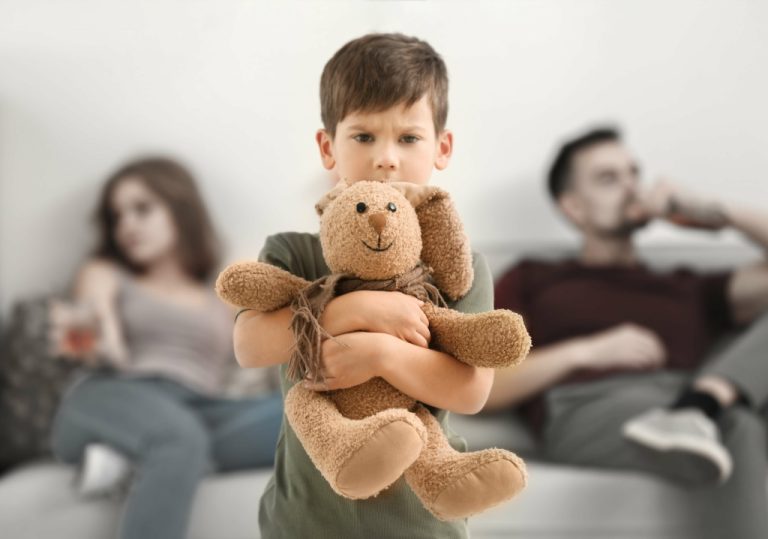
Instead of focusing entirely on causal, reductive neurobiology and difficulties in decision-making, the biopsychosocial systems model places the individual in his or her social environment and integrates his or her life narrative. The model contextualizes the responsibility placed on the individual and further allows for individual members of society to reflect on their own contributions in facilitating substance misuse (Levy 2007b). The model, therefore, allows for diverse and multidimensional http://filmplus.ru/64327-aly-fila-future-sound-of-egypt-330-2014-03-03.html aspects of knowledge to be drawn upon depending on the concern to be addressed, and the tools available to address them (Cochrane 2007). Guiding an individual’s behaviour are brain processes, somatic mechanisms, the ethical rules and norms that govern society, and the nature of the interaction. The complex combination of biological, psycho-social and systemic factors may explain why it is so difficult for some individuals to refuse drugs in the face of increasingly negative consequences.
Stigma, Heroin Assisted Treatment, and the Biopsychosocial Systems Model
These struggles concerned being caught up by adverse childhood experiences, situations that arose during severe substance use, or life challenges during the years after they left treatment. Estimates indicate that up to 29% of persons misuse prescription pain relievers for chronic pain, [1] and between 8 to 12% develop a use disorder [2, 3]. The United States (US) Department of Health and Human Services declared the opioid crisis a public health emergency in 2017, although the first wave of the epidemic emerged in the 1990s [3].